Archive

Pakistan

Pakistan has some of the most fertile farmland on earth.  A combination of frequent rainfall, warm temperatures, and a varied topography means that huge amounts of crops grow here.  Many areas get two crops of wheat a year, while fruit and vegetables of just about every description are able to flourish somewhere or other in this varied land.

,As a small illustration of the fertility of this country’s land I took a brief tour of just one garden, belonging to friends of ours.  In this small garden alone there are the following fruit trees:

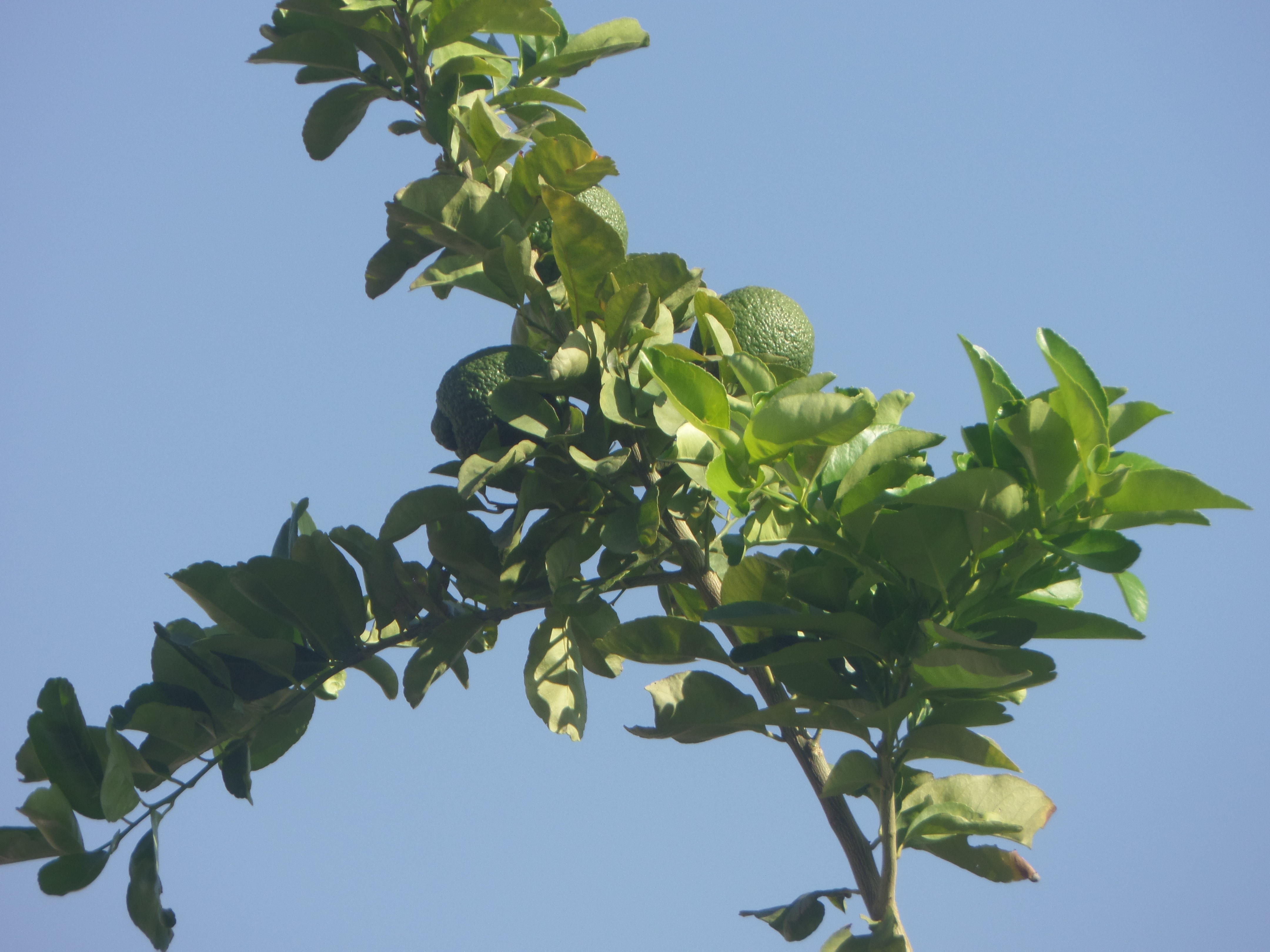
Lemon

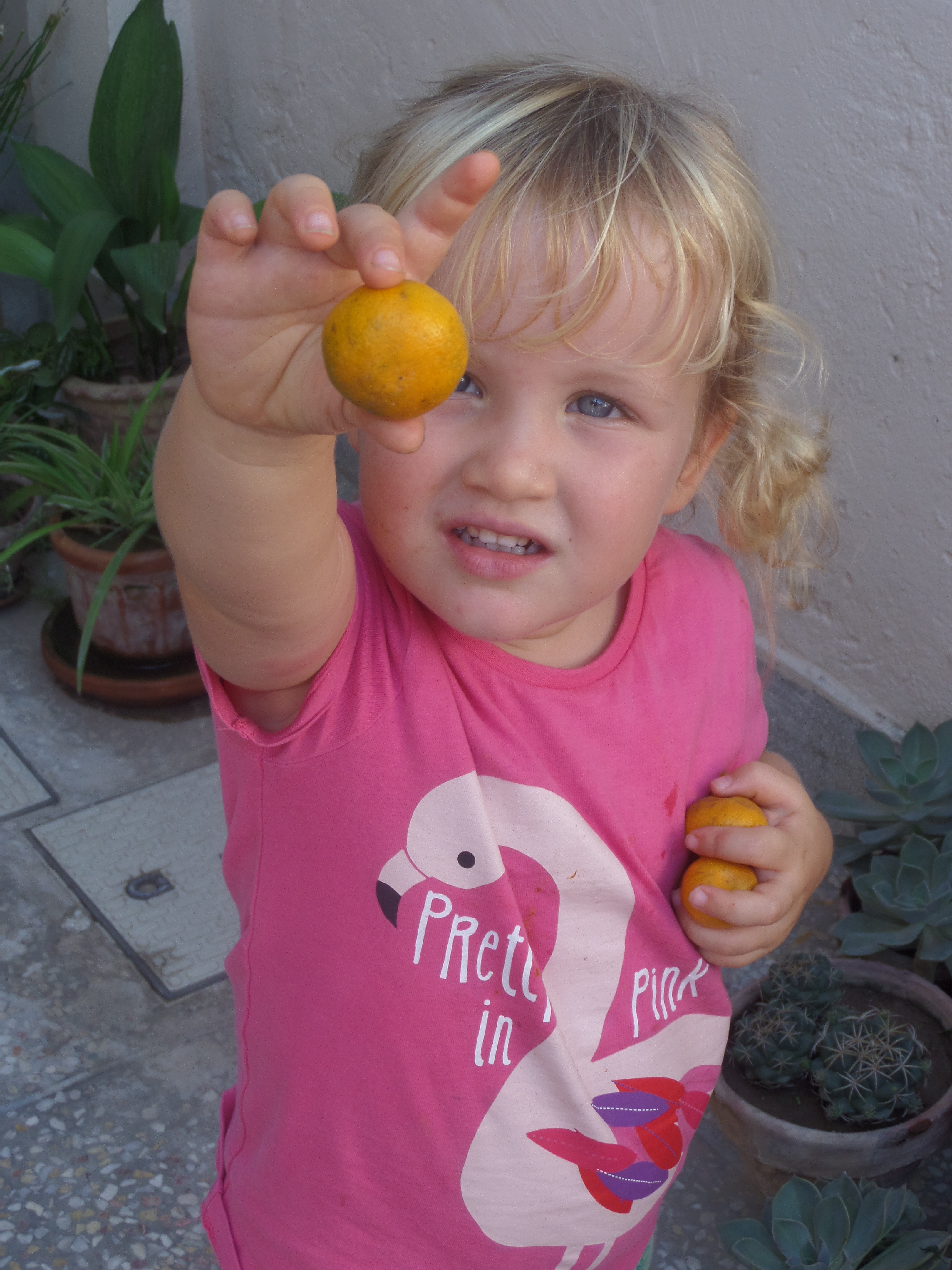
SAMSUNG CAMERA PICTURES

Orange

SAMSUNG CAMERA PICTURES

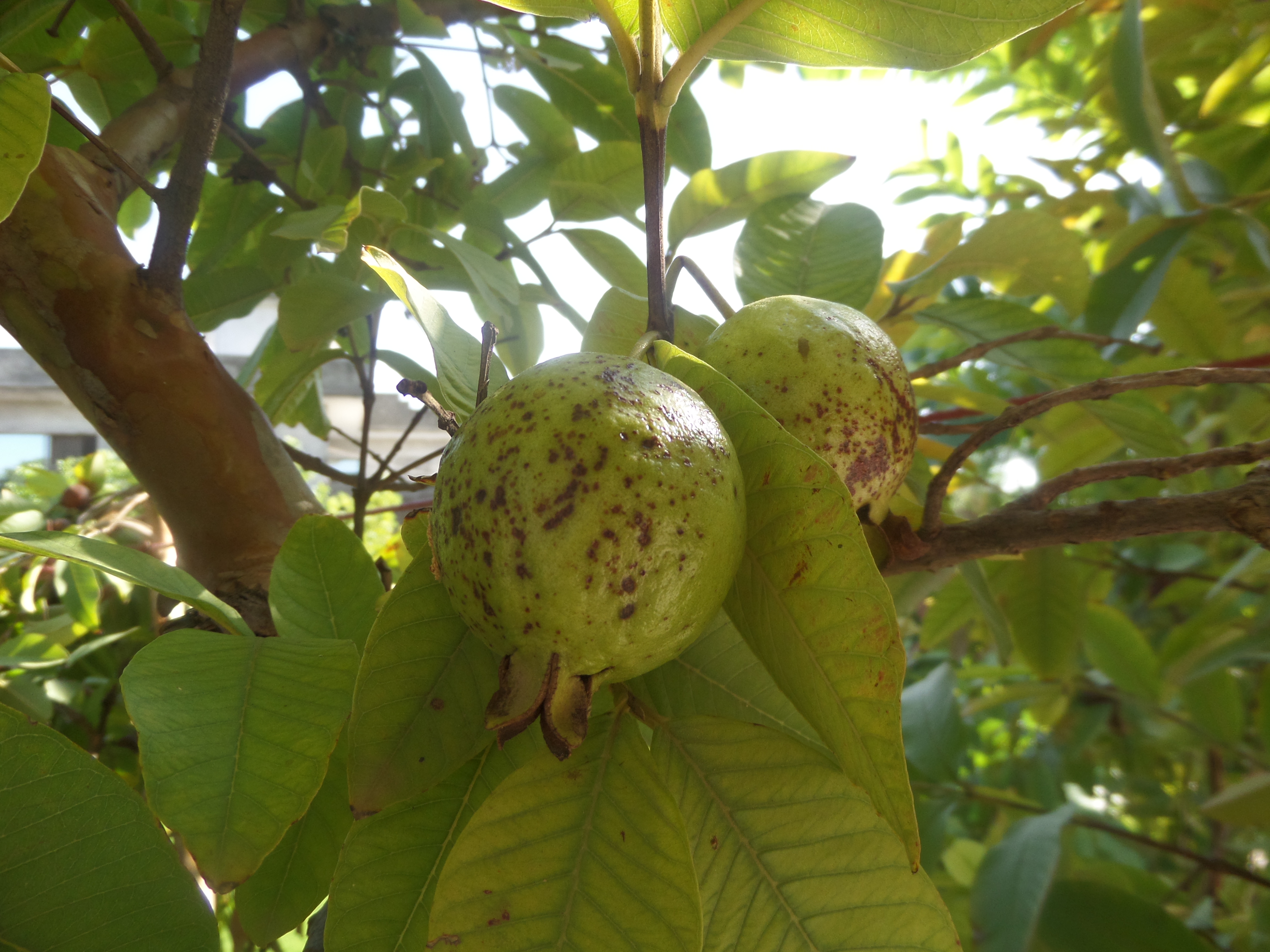
Guava

SAMSUNG CAMERA PICTURES

Papaya

SAMSUNG CAMERA PICTURES

And that’s without mentioning the peaches of the Swat Valley, the grapes of Baluchistan, the lush watermelons that grow in the Punjab so plentifully that they are practically given away during the summer months, the mangoes of northern Sindh, the cherries of Gilgit, the walnuts of Hunza, the apples, the grapefruit…

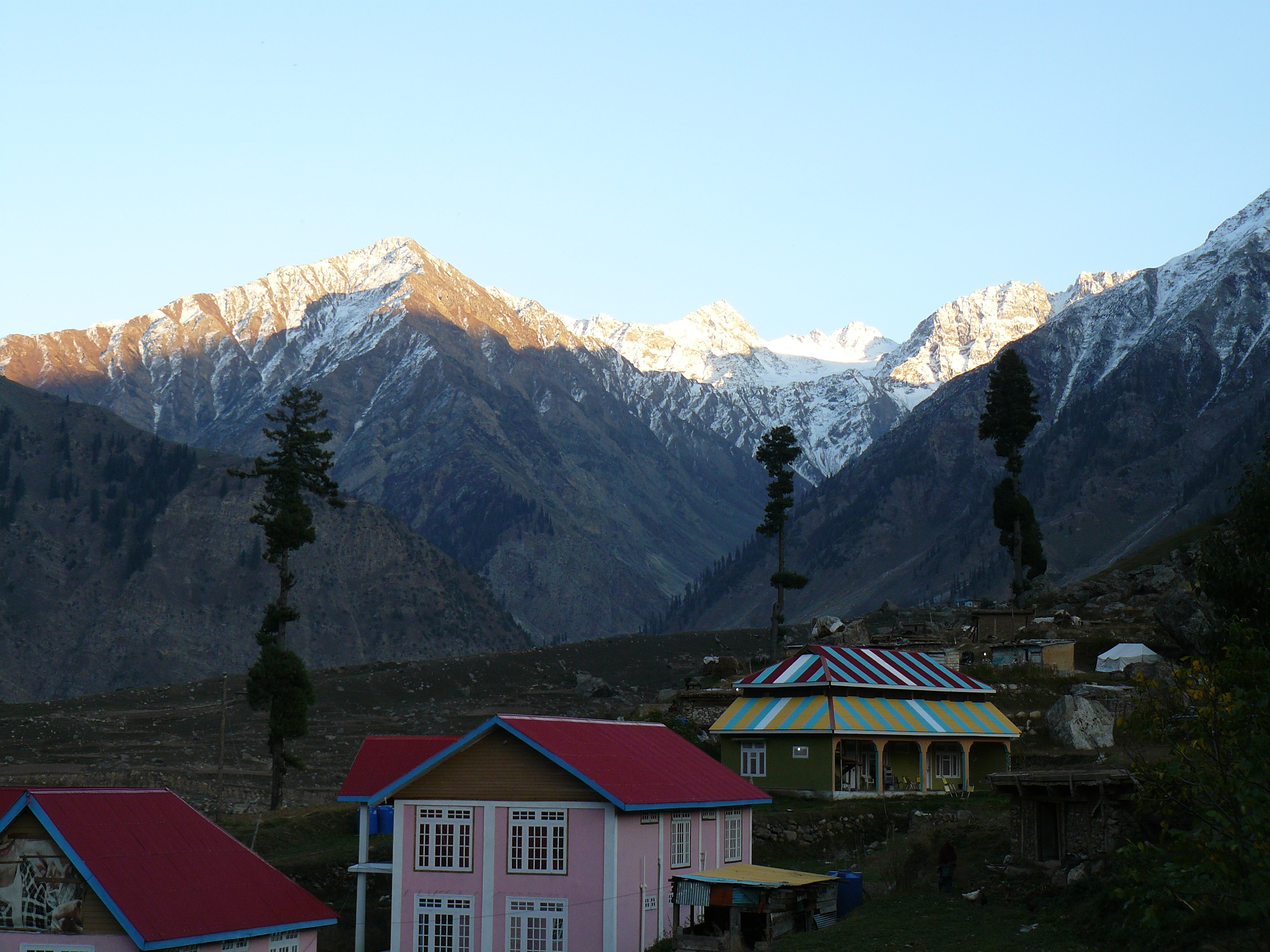
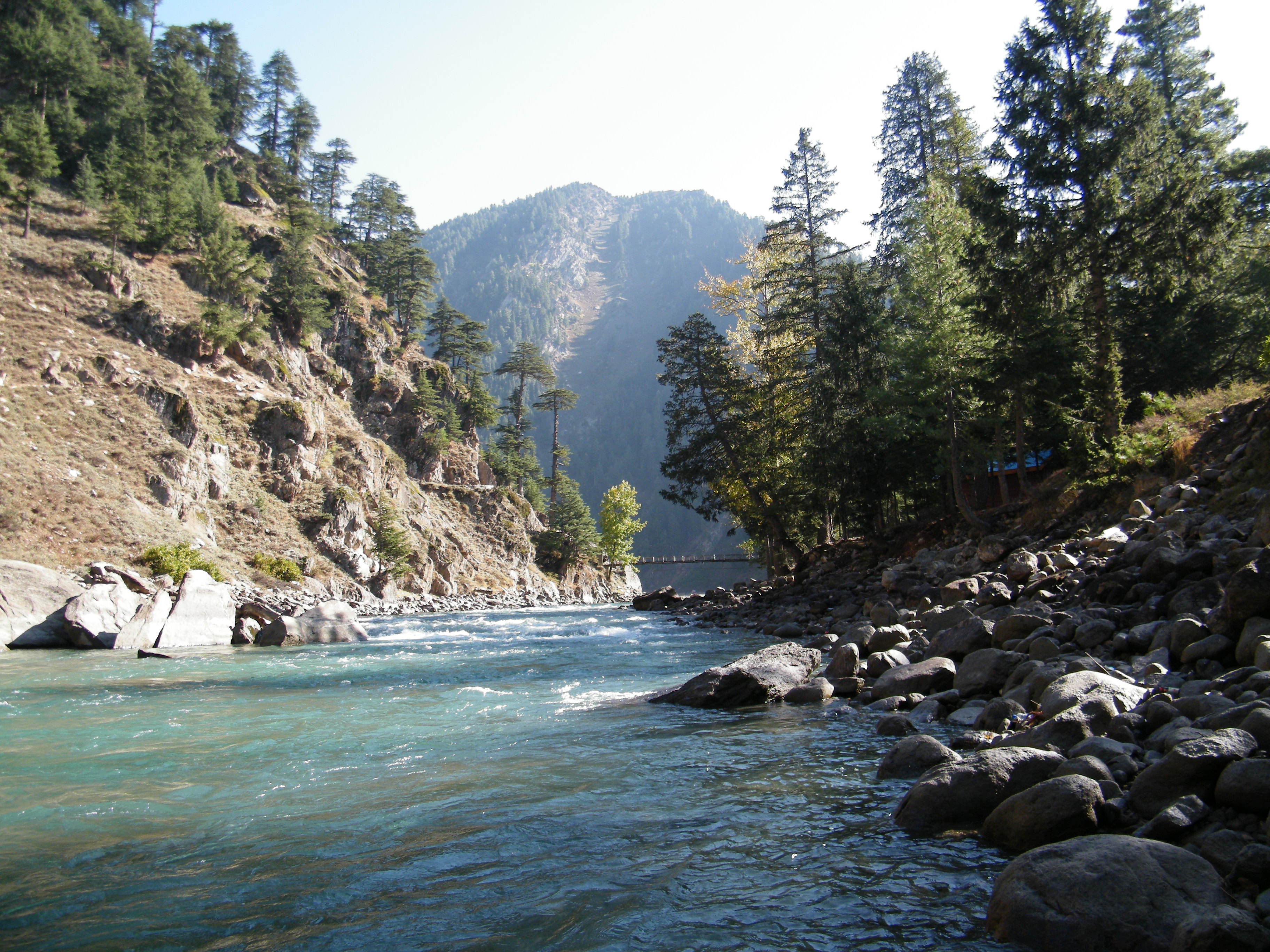
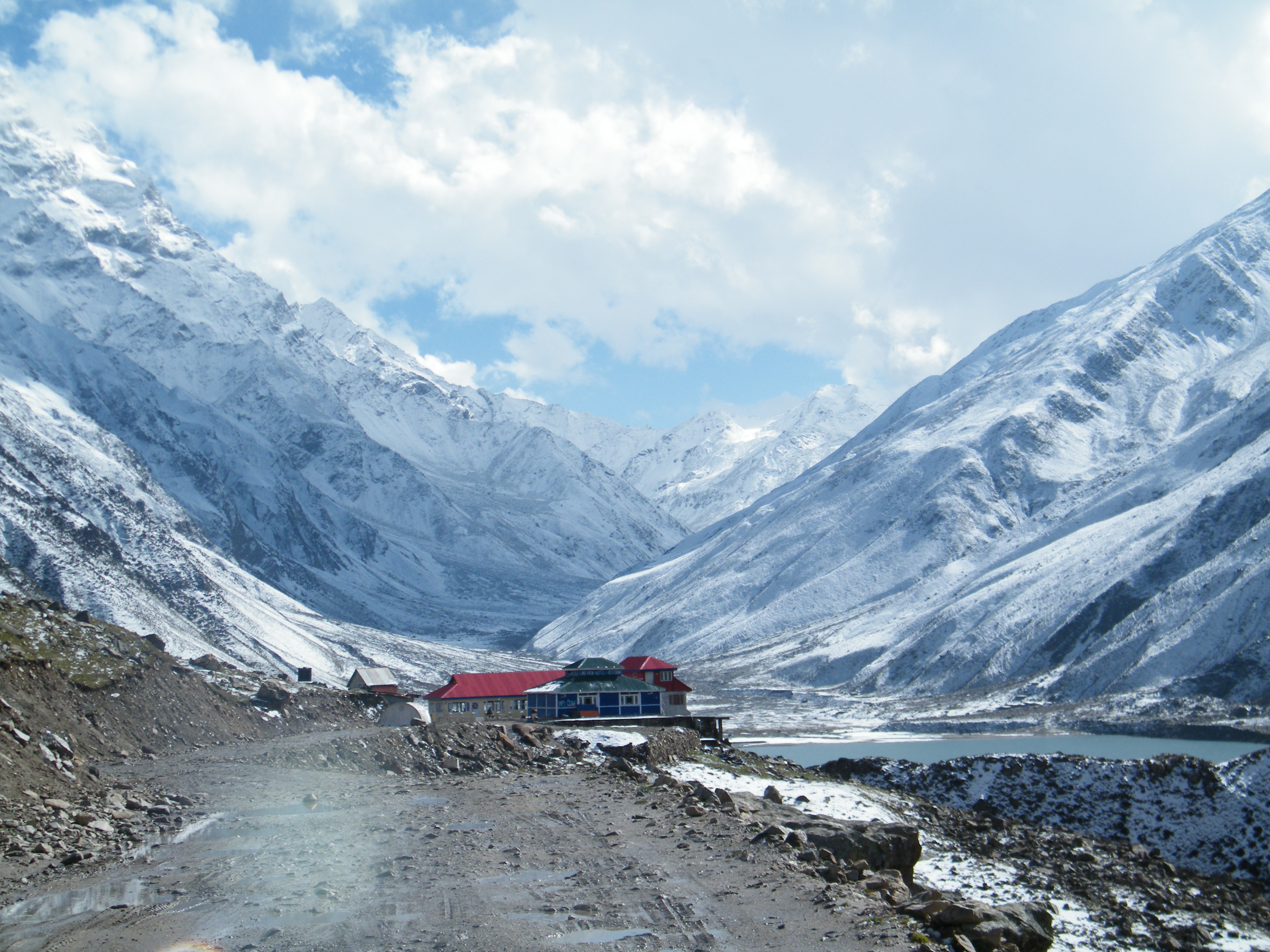
Last autumn we took a trip to the Kaghan Valley in northern Pakistan.  This valley is located north of Islamabad, adjoining Azad Kashmir, and requires a drive of some 7 hours from the capital.  Now, driving for seven hours in Pakistan is not something to be undertaken lightly – traffic is bad, and Pakistani driving habits cause significant amounts of stress, even without the added complication of having to swerve to avoid camels on the road – but the drive is well worth it.

People in the West seem to think that Pakistan is a dry, dusty and unappealing place.  I can’t think why this is, since northern Pakistan has some of the most astonishing scenery I have ever seen, easily the equal of the Swiss Alps or the Rocky Mountains.  Pakistan also has the added bonus in that, unlike Switzerland or Canada, there are almost no tourists here, meaning that these vast mountainous panoramas, lush valleys and alpine lakes are yours and yours alone.

We stayed in Naran in October.  This is right at the end of the tourist season as almost everything shuts down for the winter, since it gets remarkably cold.  Even in October the night-time temperature dropped to around zero, and as there is no such thing as central heating in Pakistan the temperature outdoors is basically the same as the temperature indoors.

An unprepossessing situation for a holiday, you might think.  Well, if you idea of a great holiday is a beach and a swimming pool and an open bar, you’d probably be right.  If, on the other hand, you see travel as a way of discovering new places, encountering different cultures, and learning more about the world, I can think of nowhere better.

Enough writing.  Let the pictures do the talking!

P1040622

DSCF1669

DSCF1593

DSCF1788

DSCF1602

IMAG0884

The car scrunched down the gravel track, bumping from rut to rut before lurching to a halt in front of a battered old gate.  Children turned to look as we got out of the old Toyota.  Elderly men squatting by the side of the road stroked their beards pensively as they observed us.  As we pushed open the gate and entered the graveyard it felt as though several hundred pairs of eyes were fixed on us.  They weren’t hostile, merely curious, as the locals tend to be when a tall Englishman and his Pakistani friend turn up in a bazaar in northern Pakistan.

I had come to visit Murree’s Old Cemetery.  Murree, a town some forty miles from Islamabad, flourished when the soldiers and administrators of the British Raj realised that spending the summer months in the verdant foothills of the Himalayas was preferable to sweating it out on the plains of the Punjab.  Every summer, as the sun soared in the Indian sky and the mercury rose ominously, the British would flee, trailing up into the hills like animals fleeing from a brushfire.  Here they would remain for the worst of the summer heat.  Here they built hotels and cottages, here they danced, here they came to recuperate from injuries sustained on the battlefields of the empire.

And here they died.  The cemetery tells their tales well enough.  Rows of graves, some plain, others ornate, some crowned with crosses which seem incongruous in what has now become the Islamic Republic of Pakistan, tell of the generations of British imperialists who died here, so far from home.  Some graves are those of soldiers – “In Memory of Lt. David Albert Beere”, “Pte. R. F Theobald” – others of administrators – “Charles Arthur Sharpe, scholar of King’s College Cambridge and Engineer in the Public Works Department of India” – while others are painfully personal, such as the grave of one Violet Rose Ward who died aged 30 leaving a husband and both her parents, or that of young Heather June Finnegan who died in 1945, aged 7.  The cemeteries of Murree – there are several – testify to the diversity of the British Raj.  All of society was here, from babies to grandparents, brilliant young scholars to hoary old veterans of the Afghan Wars, and when they died they were buried in traditional Anglican cemeteries, a last taste of home in a distant land.

The Old Cemetery is overgrown now.  Many of the graves are broken, their headstones toppled by tree roots, while goats crop the grass and leave their droppings on the decaying slabs of marble.  It is neglected, ignored by the seething masses that throng the bazaar outside.  It is a poignant place, full of memory, a corner of a foreign field that is, somehow, England.  We pushed the gate open, let it creak shut behind us, and walked back to our car as a squadron of emerald parakeets careered overhead, the sound of their screeching echoing around the valley.

chai

I sat in the property office chatting to the dealer who had just found us a new house.  I had to drop off some documents so that he could draw up our rental agreement.  This was a task that could have taken all of fifteen seconds, but this being Pakistan, it was taking significantly longer.

Bureaucratic inefficiency, maybe?  No.

Bad traffic causing me to arrive late?  No.

Pakistani hospitality?  Yes.

“Before you go, have chai with us” said the dealer politely.  His co-workers nodded eagerly.

“It’s kind, sir, but really, I must go” I said.  Perhaps strangely, it’s actually polite to refuse at least once.

“No really, you must drink chai with us.  Just a small cup” he insisted.

“Dear brother, you are so kind, but I have many tasks to do.  I’m afraid I really must go”.

“Dear sir, you are our guest!  Please, do us the honour of drinking chai with us”.

I hesitated, my resolve weakening by the second.  He smiled and played his trump card.

“Besides, I have already ordered it.  Look, here it is now”.

A tall Pashtun man from the frontier walked in and placed a steaming cup of chai in front of me as though it were some kind of votive offering.

The property dealer smiled.

“And now, we drink”.

Every morning a chap on a bicycle wobbles over to our house and passes a newspaper through the front gate.  Though a daily newspaper is something of a luxury, we like to be informed of what is going on, and reading a Pakistani newspaper gives us a good insight into the inner workings of this marvellous and baffling place.

If you don’t have a Pakistani newspaper to hand (and if you’re not in Pakistan, that’s quite likely to be the case) then I’ll save you the trouble by providing you with a summary of what it will inevitably contain:

  • Political leaders giving sweeping assurances on the state of the country.
  • A report on the current power issues plaguing the country, including phrases like “loadshedding”, “bill arrears”, and sweeping assurances from political leaders that the power problems will be resolved within 12 months (they repeat this statement, on average, every 12 months).
  • Heartbreaking news about the number of polio cases in remote parts of the country.
  • Political leaders requesting the Supreme Court to take “suo moto” notice of some problem or other (I have no idea what this means).
  • Advertisements for luxury cars that 99.9% of the population of Pakistan could never dream of being able to afford.
  • Updates on the recent travails of the Pakistani cricket team.

Reading the paper is made significantly more charming by the quaintness of the English that the journalists employ.  Pakistani newspaper journalists seem to be stuck in a time-warp, using antiquated language and syntax that probably stemmed from some 19th century manual on sentence construction.  Some of their sentences are of epic length:

 IMG_20140917_112056409

Some columnists use a friendly, informal style which I find immensely appealing.  Take, for example, this person lamenting the lack of garbage disposal facilities in Islamabad:

IMG_20140917_111814624

Here’s that suo moto thing I mentioned.  I’d be surprised if anyone outside the Supreme Court actually knew what it meant:

IMG_20140917_111340148

Then we have the letters section, invariably full of lengthy, impassioned pleas for the betterment of Pakistan.  Generally these will contain a call for revolution, but not much detail about how it will be achieved:

IMG_20140917_111315944

 The best thing I ever read in a Pakistani newspaper was an article about terrorism which described terrorists as “miscreants”.  Miscreants!  A group of murderous barbarians described using a word which is normally employed when referring to misbehaving schoolchildren.  Somehow things don’t look quite so dark when viewed through the majestic prose of the Pakistani journalist.  Long may it all continue.

The mechanic took the wheel off my car, stuck a jack underneath it, and levered it, wobbling, into the air.  The brake pads were squeaking and needed changing.  He hitched up his oil-stained kameez, grabbed a hammer, and started whacking at the brake discs with worrying force.  It was 9am and the bazaar was unfurling itself into life like a cat waking groggily from a fireside nap.

The shop-owner flicked through a newspaper while he waited for his chai to cool down.  He clicked his tongue in sympathy at the news, a veritable cavalcade of depressing stories: political deadlock, the anti-terrorist campaign in North Waziristan, the floods in Multan.  He read out one particularly heart-rending story about a bridegroom in Multan who was caught in floodwater and drowned in front of his new bride, shaking his head sadly and saying “Allah, have mercy”.

I asked him whether he would be able to find replacement brake pads for the car.  He smiled and reassured me that it would not be a problem.

“I had forgotten”, I said, smiling, “in Pakistan everything is available!”.

He fixed me with a bleak, level gaze and muttered, in a funereal tone:

“Everything, except for two things”.

I raised an eyebrow inquisitively.

“A man who tells the truth, and a man who is sincere”.

In Pakistan small businesses sprout like mushrooms.  Every patch of public land – every street corner, every piece of pavement, every bit of waste ground – can become a business, given an entrepreneurial Pakistani and a few basic supplies.  Mochis (cobblers) set up their stalls everywhere, with little more than a couple of tins of polish, a brush or two, and a needle and thread.  Subzi-wallahs (vegetable sellers) collect a few wooden boxes, fill them with peaches and cauliflowers and tomatoes, and make a living from it.  Even hairdressers rig up a canopy under a tree, affix a mirror to the tree trunk, find a chair, and bingo – a business is born.

Hairdresser

This morning I got my hair cut under a tree.  The barber, a pleasant guy from Gujranwala, chatted amicably about Pakistan, the UK, and the price of tomatoes while he snipped and trimmed.  A Pashtun man from Dir wandered over and sat down to listen to what we had to say, before saying that I was their “mehman” (guest) and would be welcome any time to visit his family.

On the downside, cars kept stopping to have a good laugh at the foreigner getting his hair cut under a tree.  On the upside, though, I got to tell two Pakistani men how much I respected and liked their country, how much I want there to be peace and prosperity in Pakistan, and also a haircut.  All for 40p.  Not a bad way to spend half an hour.

We pull up outside the school gate.  The school is a large residential property in one of the nicer sectors of the city – in Pakistan many schools operate out of residential buildings.  A stream of cars are coming and going, depositing children on the pavement, parents handing over backpacks emblazoned with Dora the Explorer or Spongebob Squarepants before saying goodbye to their offspring.  Our son hops merrily out of the car, grabs his backpack (Dusty Crophopper, in case you’re wondering), yells a cheery “Goodbye!” and runs in.  We turn to our daughter, just turned three, and on only her third day of school.  She crosses her arms and looks up at us defiantly.

“I don’t want to go to school”.  She sits squarely in her car seat, a bundle of blonde ringlets and stubbornness, while the queue of cars backs up behind us.

We try to reason with her: it’ll be fun, she’ll make friends, going to school is What Big Girls Do.  It’s all to no avail: she simply isn’t going.

We abandon reasoning with her and opt to lift her out of the car and carry her to the gate.  She starts crying – not the screaming, tantrum tears that can be ignored, but the soft, helpless tears that never fail to tear my heart apart.  She’s actually sobbing.  We hand her over to her teacher, give her one last kiss, and get back in the car.

As we drive away I am reminded of my own first day at school, the memory of which is still there.  I recall clinging desperately onto the wall as my own mother said goodbye, clawing desperately to keep myself from being dragged into the building, screaming like a banshee – and these definitely were tantrum tears.  I still don’t know how my teacher managed to prise me away from my mother; primary teachers must do weightlifting as part of their training.  I can still recall the sense of bemusement: my parents are always there, so why am I being separated from them?

Going to school is important for kids.  We know that it will help to mould their character, educate them, train them for life.  But it’s sad that causing pain to our kids is sometimes the best thing for them.

DSCF9711

When we came back to Pakistan we started clearing some old stuff out of our house.  We’re hoping to move soon so it’s a good opportunity to get rid of the clutter which, despite our best efforts, always seems to find a way into our store cupboards.  It’s almost a law of physics: just as things fall to earth when you drop them, just as paper burns when you set a match to it, it is similarly inevitable that clutter will find its way into a house: rickety old tables, bags of broken toys, a sack of Urdu teaching material that I won’t be using again.

And our old pushchair.  Bought from Tesco in a sale, it’s served us well.  It’s travelled to several countries, has been stuffed into cars and thrown on the top of jeeps, and, as you can see above, has accommodated each of our three children at different stages.  It’s also broken.  We bought a replacement off eBay while we were in the UK, rendering our faithful servant null and void.

I tried to throw it out.  I took it downstairs, folded it up, and placed it tenderly in the rubbish bin, before saying a few gentle words of remembrance.  The rubbish collector, a friendly Christian man called Zafar, comes by each morning to take away our rubbish, sorting through it to remove anything of value and disposing of the rest.  I left it there and thought no more of it.

Until the next morning, that is, when I found the pushchair neatly folded and placed on our doorstep.  Zafar simply couldn’t believe that we would want to throw such a valuable thing away.  It might be worth a couple of hundred rupees to the scrap metal dealer, and for a guy living on the poverty line, the thought of simply throwing that kind of money away is illogical.

No matter that we are doing it to help him, knowing that he will sell it for himself and use the money to feed his family.  He’s so scrupulously honest that he keeps returning it, folded and cleaned, to our doorstep, like some kind of sacrificial offering to the wealthy Westerners who are blessed with such unthinkable wealth.

very-academic-boy-in-pakistan-funny-student

When we spent time in the UK recently I was surprised by how negative Pakistan’s reputation was.  We bounced back full of exciting stories about Pakistan, photos of its stunning beauty, anecdotes of the hospitality of its people, and nobody could believe us.

“You mean it’s not just a desert?”.

“You mean people are actually friendly?”.

“You mean there are parks, and pizza restaurants, and literary festivals?”.

If you subscribe to similar notions then permit me to educate you: Pakistan is, at times, a completely wonderful place.  It is exotic, vibrant, and beautiful.  The food is fantastic.  The people are warm, friendly, unfailingly polite.  I have not once encountered hostility from anyone even though I am a foreigner and a Christian.  The young people here are intelligent, well-informed, enthusiastic, eager to learn, full of ideas.  The elderly still subscribe to old-fashioned notions such as courtesy and etiquette, such as standing when a lady enters the room.  Everyone offers you tea.

Perhaps oddly, the beauty and potential of Pakistan can be heartbreaking too.  The scenery here is stunning, easily the equal of Switzerland or Western Canada, but where are the tourists who would bring money and support jobs?  Young Pakistani entrepreneurs are some of the most vibrant in the world, so why are their efforts choked by official corruption?  Most painfully for me, why are such marvellously kind people viewed with such scorn by the outside world?

They deserve better.  Pakistan deserves better.  This is a land of immense potential.  May that potential be fulfilled, and soon.

Design a site like this with WordPress.com
Get started